Digital trust is the new frontier of modern relationships. When a partner's screen time becomes a source of anxiety, secrecy, or conflict, the issue isn't really about the phone — it's about connection.
The Trust Paradox
Here's the paradox: demanding to see a partner's phone destroys trust. But hiding your screen habits also destroys trust. The solution isn't surveillance or secrecy — it's voluntary transparency.
When one partner willingly shares their digital patterns with the other, it communicates something powerful: "I have nothing to hide, and I want you to feel safe."
What Healthy Digital Accountability Looks Like
Healthy accountability between partners isn't about control. It's about creating a shared commitment to honesty. Here's what it looks like in practice:

Mutual, Not One-Sided
Both partners participate. Accountability that only flows in one direction breeds resentment. When both people are open about their screen habits, it creates equality and shared vulnerability.
Pattern-Focused, Not Surveillance
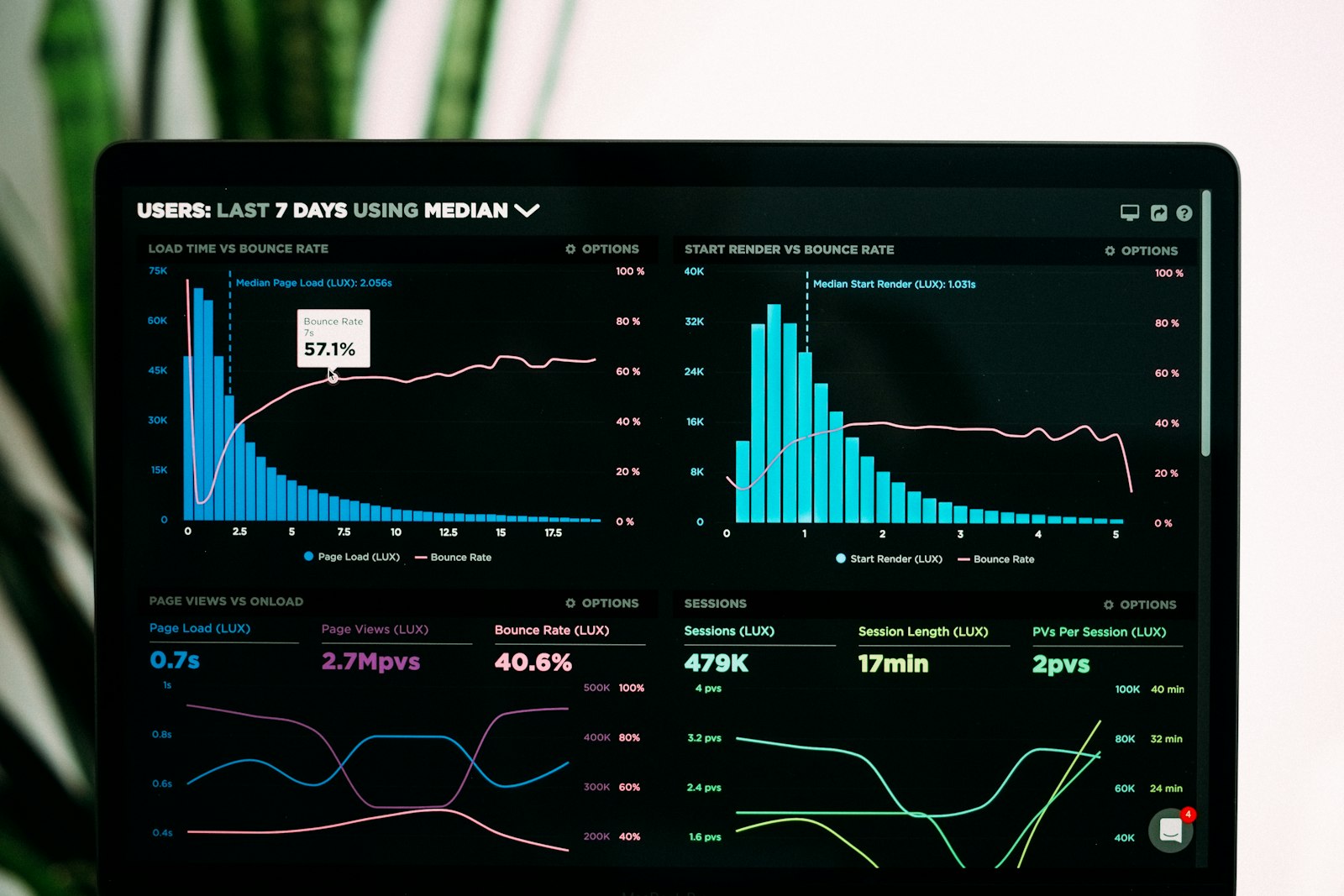
Good accountability tracks categories and time, not specific URLs or messages. Your partner sees that you spent 2 hours on social media — not which posts you liked. Privacy and transparency can coexist.
Compassionate, Not Punitive
When a difficult pattern shows up, the response should be curiosity, not punishment. "I noticed your screen time spiked this week — how are you doing?" is fundamentally different from "Why were you on your phone so much?"
Starting the Conversation
If you're considering introducing digital accountability into your relationship, lead with vulnerability. Share your own struggles first. Explain what you're hoping to gain — not what you're afraid your partner is doing.

Frame it as a shared project, not an intervention. You're building something together, not fixing something broken.
When Professional Help Is Needed
If screen time has become a source of significant conflict, betrayal, or addiction in your relationship, consider working with a therapist who specializes in digital wellness or relationship recovery. Be Candid integrates with therapist connections for exactly this reason.